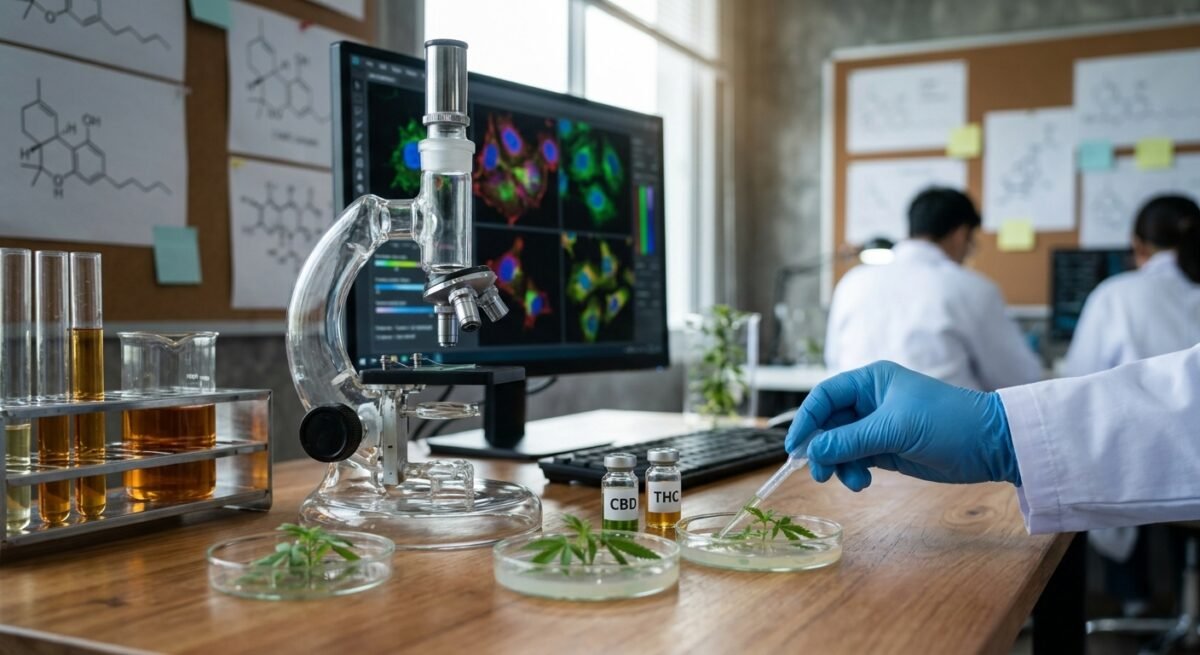
Cannabis Allergy: Important Symptoms, Causes, and Treatment

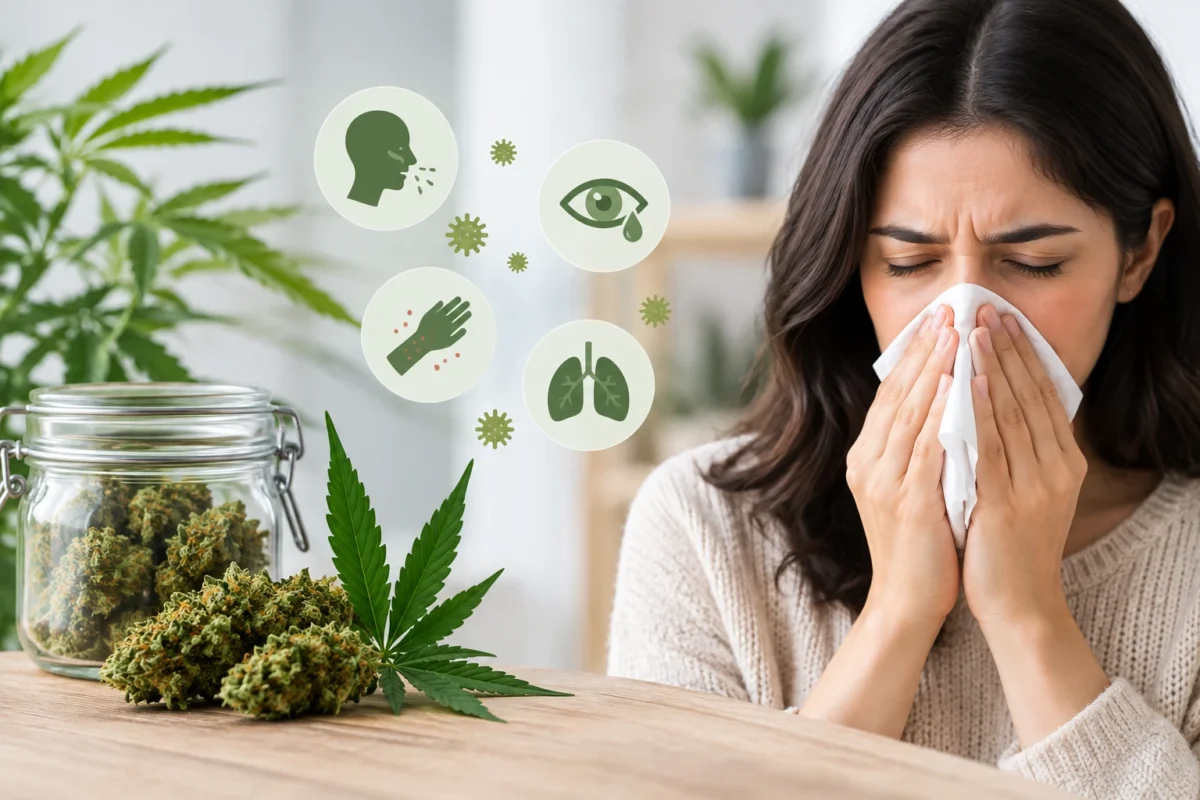
Quick Answer: Yes, Cannabis allergy is possible. Allergies to cannabis may affect the skin, nose, eyes, and the respiratory system and may become life-threatening in some instances. Several cannabis proteins have been found to be capable of causing allergies; however, diagnosis can be difficult due to the absence of commercially available cannabis allergy tests.

Have you used Cannabis allergy once and then started experiencing irritation like itching, sneezing, congestion, and even a rash?

One might easily think that those symptoms are a natural reaction to the use of cannabis. But sometimes, the immune system may react to cannabis proteins and create symptoms similar to those seen in allergies.

The cannabis allergy is still a relatively new concept for scientists who study this topic. It has been shown that there are a number of allergens in the cannabis plant, and reactions may be caused by inhalation, physical contact, and even ingestion.

In case you are interested in using cannabis for medical reasons, especially if you are seeking information through Medical Cannabis Card Sandiego, this knowledge will be useful to you.

Interested in Medical Cannabis?

If you are considering medical cannabis in California and have questions about possible reactions, talk with a qualified healthcare professional before starting or continuing cannabis use.

>>Get Your Medical Marijuana Card<<

What Is a Cannabis Allergy?

Cannabis allergy refers to a situation where the body identifies certain components from the cannabis plant as potential allergens.

There have been cases of cannabis-related allergies reported by researchers for decades now, despite being less well-researched compared to other allergies. A report published in 2024 highlighted the fact that cannabis sensitization can happen through smoking, consumption, inhalation of the plant parts or pollen, and direct skin contact.

The allergy can range from mild to severe.

One may experience allergies similar to those experienced during the seasons, whereas another individual may have skin-related, respiratory, or systemic allergic reactions.

This is one of the reasons why someone interested in getting Medical Cannabis Card Sandiego needs to disclose previous allergies, asthma, food allergies, or unusual reactions to cannabis.

Are You Really Allergic to Cannabis?

Yes.

Even though cannabis allergy is deemed uncommon and poorly researched, there have been multiple published papers about sensitization and allergic symptoms caused by cannabis.

In particular, a review from 2024 discussed six patients suffering from sensitization to cannabis extract and/or cannabis allergen Can s 3. In addition, the authors mentioned that not all individuals with sensitivity manifest symptoms.

An international review has also highlighted reactions of the nose, eyes, lungs, skin, and in rare instances, systemic reactions to cannabis.

However, just because an individual experiences an abnormal reaction to cannabis, this does not mean they suffer from an allergic reaction. THC can cause unpleasant sensations, as well as other substances found in cannabis products.

It is important to understand the difference when talking about Medical Cannabis Card Sandiego.

What Are the Symptoms of Cannabis Allergy?

Symptoms vary depending on how an individual is exposed to the allergen.

Skin-related Symptoms

Any direct contact with the cannabis plant will result in:

  • Itching
  • Redness
  • Hives
  • Irritation of the skin
  • Swelling
  • Contact dermatitis

An individual who comes into regular contact with cannabis may have symptoms on the hands, arms, or other exposed parts of the body.

Symptoms related to the Nose and Eyes

Particles from the cannabis inhaled through breathing may cause:

  • Sneezing
  • Nasal discharge
  • Nasal congestion
  • Itchy nose
  • Watering eyes
  • Eye redness or irritation

Review of cases of cannabis allergies has revealed that rhinitis, nasal congestion, cough, and urticaria/angioedema are commonly reported symptoms.

Respiratory Symptoms

The following might occur in some people:

  • Coughing
  • Wheezing
  • Chest tightness
  • Shortness of breath
  • Trouble breathing

Respiratory problems need special consideration if a person has asthma or a previous history of major allergies.

Severe Allergic Reactions

It is possible to experience anaphylaxis due to exposure to cannabis.

Signs could be substantial swelling, difficulty breathing, dizziness, wheezing, or symptoms that affect different areas of the body.

Anaphylaxis is a serious situation and needs immediate medical help. Case studies have reported severe allergic reactions related to cannabis use.

In case a person experiences trouble breathing, swelling of throat and/or tongue, fainting, or other anaphylactic symptoms, it is better to go for emergency medical help right away rather than try to handle the situation by oneself.

How Can Cannabis Induce an Allergic Reaction?

The marijuana plant includes many proteins among other chemicals.

Scientists have found several potential cannabis allergens. The most researched is Can s 3 that is non-specific lipid transfer protein (nsLTP).

That is how it becomes clear why cannabis allergy is a difficult condition to treat.

One can be allergic to some plant component but not all marijuana products.

For those who want to obtain a Medical Cannabis Card Sandiego, it is more valuable to identify the potential allergen than assume all symptoms are provoked by THC.

Can Cannabis Allergy Develop After Years of Use?

It is possible to have allergic reactions even after previous exposures without any issues.

This can obviously be quite confusing.

A person might have had cannabis on many occasions and never have any allergic reaction but then one day, start having the symptoms. That, however, does not automatically mean that cannabis is the cause.

There may be other reasons such as the change in products used, contamination, ingredients, environmental allergens, or some other health issues.

Therefore, individuals who are thinking of getting Medical Cannabis Card Sandiego need to inform their doctor about when the reaction happens, the product used, the way it was ingested, and whether the person ever had similar reactions before.

This information will help with the evaluation.

What Is Cross-Reactivity?

Cross reactivity is arguably the most fascinating aspects of cannabis allergy studies.

Cross reactivity refers to proteins present in different materials being similar enough to trigger an immune response to both.

Allergies to cannabis might also cross react with proteins in particular foods and plants. Studies have concentrated mainly on nsLTP reactions as well as plant proteins.

It is not to mean that all people who suffer from allergy to specific foods will be allergic to cannabis.

The patient’s allergy history can help when a medical practitioner is trying to diagnose an allergy to cannabis.

It is particularly helpful when discussing Medical Cannabis Card Sandiego and whether cannabis is safe for a particular patient.

How Is Cannabis Allergy Diagnosed?

Cannabis allergy diagnosis may prove difficult.

Currently, there is a lack of guidelines compared to other more well-known allergies. Some research has been conducted regarding potential methods of diagnosing cannabis allergy using clinical history, skin tests, specific IgE tests, and component tests where possible.

The clinician may wish to consider:

  • Which cannabis product was taken?
  • Was it smoked, inhaled, eaten, or used topically?
  • How soon after contact did symptoms occur?
  • What symptoms occurred?
  • Have these symptoms happened previously?
  • Are there food or environmental allergies?
  • Was any other product taken at the same time?

Diagnostic testing may be useful in selected individuals, but interpretation will need to take into account patient symptoms and exposure history.

If you are interested in Medical Cannabis Card Sandiego, please do not conceal your allergy in order to gain access to medical cannabis. Your medical history is crucial for making informed decisions.

What Should You Do If You Have a Reaction?

The first thing is to prevent further exposure in case you think cannabis is the cause of your problems.

In case of mild symptoms, it’s better to talk to your doctor than to assume the symptom will always stay mild.

However, if your symptoms turn out to be serious, especially problems with breathing, swelling of the throat or tongue, loss of consciousness, or any signs of anaphylactic shock, go to hospital straight away.

If you have had serious allergic reactions before, stick to your emergency plan recommended by your doctor.

When applying for Medical Cannabis Card SanDiego, tell your doctor about any allergies you might have experienced before using the new cannabis strain.

Can Cannabis Allergy Be Treated?

The treatment is based on the nature and severity of the reactions.

There is currently no well-established treatment for cannabis that would enable a person who suffers from cannabis allergy to use it safely.

Treatment usually involves the avoidance of the allergen and symptomatic treatment. Scientists point out the necessity for developing better treatment and diagnostic methods.

In case you work with cannabis, you may need to limit your exposure to it.

If you are thinking about using Medical Cannabis Card Sandiego services but feel some unusual effects due to the drug, it will be better to consult your doctor before taking another dose of the substance.

Cannabis Allergy and Side Effects

However, not every adverse reaction to marijuana is an allergy.

To illustrate, THC may induce reactions like dizziness, fatigue, change in perception, faster heart rate, or anxiety in some individuals. This does not necessarily mean that you have an allergic reaction.

Some indicators that might point to a possible allergy include:

  • Hives
  • Severe itching
  • Swelling
  • Persistent sneezing or rhinitis following exposure
  • Wheezing
  • Difficulty breathing
  • Symptoms affecting several bodily systems

It is important to know the difference since the approach to treatment would be completely different.

If you suffer any adverse effects due to marijuana consumption, you should not make a self-diagnosis based on one symptom only. Consultation with a physician could help determine whether your symptoms are an allergy, a side effect, an additional ingredient, or another disease.

When considering Medical Cannabis Card Sandiego for patients, this aspect must be considered within the context of their overall health status.

Frequently Asked Questions

Can a person develop cannabis allergies spontaneously?

Yes, allergic sensitization can happen after exposure without the onset of any symptoms. But a new allergic reaction does not necessarily mean that cannabis is the culprit.

Can cannabis lead to hives?

Yes, urticaria (or hives) has been documented as a possible manifestation of cannabis allergy.

Can cannabis affect your breathing?

Cannabis-related allergic reactions may affect breathing and manifest themselves through symptoms like coughing, wheezing, or breathing difficulty.

Is CBD safe for people allergic to cannabis?

It depends on the person. The reason is that CBD products can be derived from cannabis plants and can include additional cannabis ingredients. Therefore, people who suspect they have an allergy to cannabis must consult their doctors first regarding their product use.

Is it possible to develop an allergy to cannabis smoke?

Yes, people have experienced allergic symptoms after being exposed to cannabis smoke.

Conclusion

Cannabis allergy exists, yet at the same time, it is a rather complex and not fully developed medical field.

The first thing to remember about it is that you should never rule out cannabis allergy automatically, however, not neglect the symptoms.

Should you be interested in Medical Cannabis Card Sandiego, provide all your reaction symptoms to your healthcare professional. It will be easier for him/her to determine whether it is an allergic reaction or side effects of marijuana or anything else.

Also, in case of serious difficulties with breathing, significant swelling, fainting or any signs of anaphylaxis after contact with cannabis, treat it as an emergency situation.

Sources

1. IgE-Mediated Allergy and Asymptomatic Sensitization to Cannabis Allergens — 2024
Read the full medical review

2. IgE-Mediated Cannabis Allergy and Cross-Reactivity Syndromes
Read the PubMed review

3. Cannabis-Related Allergies: International Overview and Consensus Recommendations
Read the consensus review

4. Cannabis Allergy: What the Clinician Needs to Know
Read the PubMed research

High Blood Pressure: What Causes It and How Can You Manage It?

Quick Answer: Hypertension is another name for high blood pressure, which is one of the most common diseases that do not show any symptoms. The effects of cannabis on the cardiovascular system may lead to changes in heart rate and blood pressure due to the effect of THC. Studies about CBD and blood pressure have yet to reach a conclusive point, so the use of CBD is not proven to treat hypertension.

High blood pressure is an example of a disease that is challenging to diagnose since the majority of patients do not have any noticeable symptoms.

A person with elevated blood pressure may be symptom-free for many years, so it is essential to monitor blood pressure regularly. Uncontrolled hypertension increases the risk of severe cardiovascular diseases, such as myocardial infarction or stroke.

On the other hand, there has been a significant increase in cannabis consumption in recent decades, and many researchers started investigating how THC, CBD, and other components of the plant could impact individuals with high blood pressure.

However, it is incorrect to say that cannabis will have a hypotensive or hypertensive effect on all users.

There are many factors that determine the cardiovascular response to cannabis consumption, and at the moment, the current research has some important drawbacks.

Let’s discuss what we know from scientific literature at the moment.

Want to Learn More About Medical Cannabis?

If you are considering medical cannabis while managing high blood pressure or taking cardiovascular medication, discuss your options with a qualified healthcare professional first.

>> >>Get Your Medical Marijuana Card<< <<

Definition of High Blood Pressure

High blood pressure is defined as a state of the body where the pressure of blood in your arteries is higher than recommended.

Blood pressure consists of two figures.

Systolic is the upper figure which measures the pressure of blood in arteries during heartbeats. Diastolic pressure is the lower figure and shows the pressure of blood in arteries between heartbeats.

Based on the current classification by the American Heart Association:

  • Normal: below 120/80 mm Hg
  • Elevated: systolic 120-129 and diastolic below 80
  • Stage 1 hypertension: systolic 130-139 or diastolic 80-89
  • Stage 2 hypertension: systolic 140 or higher or diastolic 90 or higher
  • Severe hypertension: higher than 180 and/or 120 mm Hg

High blood pressure diagnosis must be done not only on the basis of one-time measurement. Specialists take into account multiple measurements and the general health history of a patient.

Why Is It Called Silent Disease?

The major problem with high blood pressure is that it rarely presents itself with symptoms.

Individuals may experience increased blood pressure and be completely healthy at the same time.

That is why taking a measurement of one’s blood pressure is crucial. As explained by the American Heart Association, blood pressure measurement is the means of detecting high blood pressure.

If left untreated for a long period of time, high blood pressure can lead to complications associated with the following systems:

  • Heart disease
  • Stroke
  • Kidney disease
  • Heart failure
  • Vision issues
  • Blood vessel complications

Periodic monitoring provides individuals with the possibility to detect high blood pressure in order to prevent further complications from developing.

What Causes High Blood Pressure?

It is here that the interaction between cannabis and high blood pressure gets somewhat tricky.

As has already been mentioned, cannabis is composed of several cannabinoids, the most well-known of which are THC and CBD.

THC is psychoactive and capable of affecting the central nervous and cardiovascular systems. According to the American Heart Association, it may cause the sympathetic nervous system to become stimulated and potentially lead to an increase in heart rate and blood pressure under certain conditions.

But there is one thing: cannabis affects not everyone in the same way.

Blood-pressure reactions can be influenced by such factors as:

  • THC levels
  • Dosage
  • Frequency
  • Mode of consumption
  • Tolerance
  • Cardiovascular problems
  • Other drugs/substances

It means that it is quite impossible to provide a simple guideline for people with high blood pressure concerning the use of cannabis.

So, Does THC Increase or Lower Blood Pressure?

You will come across confusing reports regarding the relationship between THC and high blood pressure. And there is a good explanation behind that.

Marijuana can elicit various cardiovascular effects, which vary depending on the situation.

According to the American Heart Association, THC can cause a rise in heart rate and can raise blood pressure when lying down, although marijuana is known to cause other acute cardiovascular effects.

That said, one cannot expect marijuana to serve as a reliable remedy for high blood pressure.

Furthermore, individuals who suffer from any cardiovascular diseases should be even more cautious, because according to the American Heart Association, there are considerable limitations in the existing research on the cardiovascular health effects of marijuana.

And if you have hypertension, talking to your doctor about using cannabis becomes even more critical.

CBD and High Blood Pressure?

CBD differs from THC in the sense that it does not cause intoxication.

Scientists have been researching if CBD can affect blood pressure through its interactions in vascular, stress, and other biological pathways.

Previous studies indicated that CBD can affect blood pressure and heart rate when the body is subjected to stressors; however, most of the information came from limited and/or non-human research.

Recently, a systematic review of randomized controlled trials of 2026 has considered the relationship between oral CBD and blood pressure among adults. Four trials comprising 120 people have been reviewed. Researchers noted that there was a decrease in certain blood pressure parameters; however, they stressed out several limitations such as small number of participants, short exposure times, dose variations, and uncertainty about safety in the long run.

This point makes all the difference.

The study is very interesting but CBD should not be seen as an alternative treatment for hypertension at this time.

Does CBD Interact with Blood Pressure Drugs?

Yes, this is certainly something to consider.

If you suffer from hypertension, you might currently be under prescribed medication. Using CBD or cannabis without medical consultation might lead to certain interactions between the two.

According to the FDA, CBD interacts with other drugs, which means that the effect of some medications will either intensify or diminish. This issue is especially relevant for people using various medications to treat cardiovascular or other diseases.

When starting with CBD treatment, you should inform your physician or pharmacist about:

  • Prescribed drugs
  • Over-the-counter medications
  • Vitamins and supplements
  • Cannabis and CBD products
  • Other products that you regularly use

In this way, your health care provider will be able to determine the possibility of any interaction.

Is Cannabis a Therapy for Hypertension?

Nowadays, there is no reason to treat cannabis as an established remedy against hypertension.

There is some scientific interest in studying cannabinoids in relation to cardiovascular conditions, but the evidence is far from being sufficient to replace existing methods of hypertension treatment.

For instance, a review published in 2026 identified possible beneficial blood pressure effects of CBD but noted that more studies were required.

On the other hand, the American Heart Association suggests established methods, including healthy nutrition, exercise, weight management, stress management, reduced alcohol intake, non-smoking, and prescribed medications.

Thus, in case of high blood pressure, it is recommended not to give up on or alter prescribed medication due to research into cannabis or CBD.

What Are Safer Methods to Lower Blood Pressure?

High blood pressure is often managed with lifestyle modifications, monitoring, and medication, where applicable.

Steps to take may include:

Eat Well for Your Heart

An eating pattern that is rich in vegetables, fruits, whole grains, lean proteins, and other nutrient-rich foods can help you maintain good cardiovascular health.

Reducing your excess sodium consumption is another step that will help in managing blood pressure. This is recommended in the 2025 AHA hypertension guidelines.

Be Active

Being physically active can help in maintaining good blood pressure and cardiovascular fitness.

Physical activity is still a key step that people with high blood pressure should consider while implementing a broad treatment plan.

Manage Your Stress

Chronic stress can negatively impact your health and lead to unhealthy behaviors.

Identifying ways to handle stress is important when managing your blood pressure.

Limit Your Alcohol Intake

Excessive alcohol intake raises the risks of blood-pressure problems. Hence, limiting alcohol is part of a heart-healthy lifestyle.

Take Your Medication as Recommended

In case your healthcare provider prescribes blood-pressure medications, follow the recommendations in the prescription.

Avoid using cannabis or CBD in place of your prescribed medications without consulting your physician first.

When Is High Blood Pressure an Emergency?

Very high blood pressure will need immediate medical attention.

According to the American Heart Association, any measurement above 180/120mm Hg is considered severe. It should be measured again; if the second measurement is just as high, it is recommended to seek professional help.

If the blood pressure measurement is above 180/120mm Hg and the person also has any of the following symptoms:

  • chest pain,
  • difficulty breathing,
  • back pain,
  • numbness,
  • weakness,
  • vision problems,
  • and difficulty talking,

then it is likely a hypertensive emergency and immediate medical assistance is needed.

DO NOT try to treat a potential hypertensive emergency using cannabis, CBD, or home remedies.

What Should People with High Blood Pressure Know about Cannabis?

In case you are high in blood pressure and are contemplating marijuana use, here are some points worth noting.

To begin with, marijuana is not an approved alternative therapy for treating high blood pressure.

Secondly, the use of THC may affect your cardiovascular system, including the heart rate and blood pressure.

Thirdly, while CBD research is changing, it is still relatively new, although it is very interesting.

Fourthly, interactions with other medications should be noted.

This is why the discussion of your particular case with a health professional is more helpful than general claims available online.

Frequently Asked Questions

Is it okay for someone who has high blood pressure to consume cannabis?

Although high blood pressure does not automatically imply that an individual will respond the same way to cannabis, cannabis can impact cardiovascular function, meaning that someone with high blood pressure needs to talk to their healthcare provider about cannabis consumption.

Does CBD lower high blood pressure?

CBD taken orally has been shown in some studies to lower specific blood pressure readings in individuals under certain stressful conditions. However, the studies used small samples of participants, making CBD not proven to be a form of treatment for hypertension.

Will THC increase blood pressure?

THC has the potential to induce cardiovascular activity, including increased heart rate and increased blood pressure in specific conditions. Individual reactions can vary.

Does CBD interfere with high blood pressure medications?

Possibly. According to the FDA, CBD may interfere with other drugs and affect their action. It is necessary to consult a healthcare professional if one is taking any prescription drugs.

Do I need to discontinue my blood-pressure medicine because of my cannabis usage?

No. Don’t make any adjustments or discontinuation of prescribed medications due to cannabis/CBD consumption without consulting your healthcare professional.

How do I know whether I have hypertension?

There is no other way but to take your blood pressure measurement since hypertension often occurs without any symptoms.

Concluding Remarks

Hypertension is a very common disease, which can often be silent and needs to be taken under control because unmanaged high blood pressure can lead to dangerous consequences.

It has not been entirely clear yet how cannabis affects hypertension; THC has the effect on heart rate and blood pressure, whereas new researches about the influence of CBD have produced some potentially interesting results but it is not sufficient yet to make it a conventional remedy for hypertension.

In case you consider using medical cannabis when having high blood pressure, the first thing to do is talk to your doctor and other members of your healthcare team; it is even more essential if you are taking prescribed medicines because of possible interactions with cannabinoids products.

Medical Cannabis Card San Diego can serve as an example of brands available on the market, but the best way to use cannabis as a part of your treatment is through an open discussion with a healthcare professional.

The key here is very simple: learn your numbers and monitor your high blood pressure.

Sources

  1. American Heart Association — Understanding Blood Pressure Readings
    Read the current blood-pressure categories
  2. American Heart Association — 2025 High Blood Pressure Guideline
    Read the 2025 hypertension guideline summary
  3. CDC — High Blood Pressure Risk Factors
    Review hypertension risk factors
  4. American Heart Association — Cannabis and Cardiovascular Health
    Read the cardiovascular cannabis information
  5. Journal of Cannabis Research — CBD and Blood Pressure, 2026
    Read the 2026 systematic review

Cannabis Products and Services: A Friendly Guide to Your Options

There has been a lot of change when it comes to Cannabis Products and Services due to the growing cannabis industry. Patients and customers now have access to a broad array of services ranging from education materials, consultation, delivery services, and others to help you enjoy the cannabis experience.

A beginner looking to try cannabis will be faced with many options to choose from. Flower, edibles, concentrates, topicals, vapes, and tinctures will all offer different experiences. For services, you can find healthcare consultations, educational materials, dispensaries, and professional guidance on cannabis.

In this friendly guide, we look at Cannabis Products and Services to help you learn more about them.

Learning about Cannabis Products and Services

Today’s options for Cannabis Products and Services are much more diverse compared to what they were before. There are different types of cannabis products which vary in terms of cannabinoid content, intensity, way of administration, and desired effect.

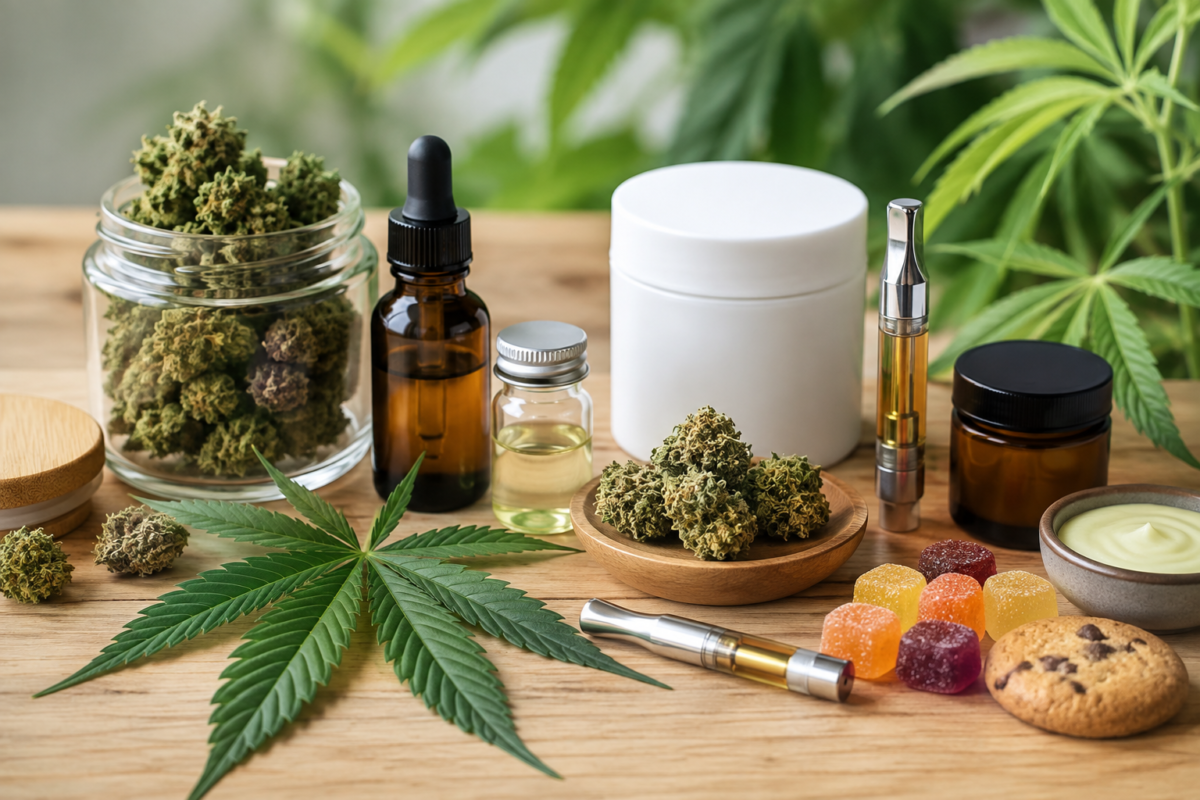
Among the most common cannabis products, there are:

  • Cannabis flower
  • Pre-rolls
  • Edibles
  • Beverages
  • Vape products
  • Concentrates
  • Tinctures
  • Oils
  • Topicals

Cannabis services may also include consultation and information about legal cannabis use, professional advice, medical evaluation, guidance on how to purchase cannabis legally, etc.

The U.S. Food and Drug Administration claims that cannabis consists of many biological active compounds, including THC and CBD. It should also be emphasized that there are no cannabis and CBD products on the market that were approved as treatments for certain diseases.

Understanding the Variety of Cannabis Products and Services

The cannabis flower is still one of the most recognizable items of the industry.

The flower is derived from the dried components of the cannabis plant and may greatly differ depending on its cannabinoid and terpene composition. Buyers may find products which have varying THC and CBD content, scent and effects.

Many buyers enjoy the flower for its versatility. Nevertheless, it is important to understand that potency of products may greatly differ.

It would be necessary to learn more about the product label and consult knowledgeable specialists regarding the particular product.

Cannabis Products and Services must always provide consumers with information regarding the product rather than just rely on the name or description of it.

Edibles and Cannabis Beverages

There are various cannabis products such as gummies, chocolates, baked items and other edible food items.

Another thing to keep in mind about edibles is that these may impact people in a manner different than that inhaled cannabis.

According to SAMHSA, there is a huge variation in the potency of cannabis products in terms of their THC content, and this may cause different reactions depending on the product used.

Patience and care should be practiced by beginners.

Moreover, these should be kept safe as they may sometimes look like regular food products and can cause accidental consumption by kids.

Cannabis Concentrates

Concentrates are products which feature concentrates of cannabinoids and other cannabis-related components.

Examples include:

  • Wax
  • Shatter
  • Rosin
  • Resin
  • Distillate

Concentrates might be much more potent compared to regular cannabis flowers.

Potent cannabis products can result in strong outcomes and may be inappropriate for some people. SAMHSA points out that high-THC cannabis products can cause an increased risk of unwanted outcomes, such as problems with cognition and coordination, anxiety and panic, and cannabis use disorder.

That is why it is crucial for responsible Cannabis Products and Services to inform customers about the potency of the product and its consumption.

Vape Products and Modern Cannabis Technology

There are some other vape options available in the expanding market of Cannabis Products and Services.

Some products can include cannabis extracts or oils that heat up to form an inhalable vapor.

It is worth remembering that there can be a significant difference in the quality of vape cartridges and devices. One must also pay special attention to the source of the products.

Good labeling and proper production methods are essential while choosing modern cannabis products.

Tinctures and Cannabis Oils

Tinctures and oils serve as an alternate solution for individuals who do not want to smoke cannabis.

These can be taken in a measured amount and have varying cannabinoid compositions in the products.

In some cases, the products might have THC in high concentrations only, while others might have CBD or a mixture of cannabinoids.

The FDA clarifies that THC and CBD are two different chemicals with different properties and actions. CBD is not another name for marijuana and users should know what kind of chemical the product has.

It is another good reason why professional consultation is important in the study of Cannabis Products and Services.

Topical Cannabis Products

Topicals are products that are applied directly to the skin.

Some examples could be:

  • Creams
  • Balms
  • Lotions
  • Salves

Cannabis topicals have grown to be a common type of cannabis product on the market.

But, consumers must always check the ingredients of the products because the marketing language may make the benefits seem more well-established than the evidence actually shows.

Never use such products as a replacement for proper medical care.

Professional Cannabis Services

Cannabis products are just a fraction of the whole experience.

There are other services which many patients might seek which can help in getting information and support professionally.

Depending on the laws in the jurisdiction and on the available programs, Cannabis Products and Services can include the following options:

Medical Consultations

A certified medical professional might assist patients to have a discussion regarding cannabis usage and what actions should be taken according to a particular case.

Patient Education

Education services will be useful for people to know more about different products, cannabinoids, possible threats, and their proper usage.

Dispensary Advice

Dispensary employees can give information about available products; however, consumers should realize that recommendations concerning certain products are not necessarily equivalent to medical advice.

Medical Cannabis Services

Professional assistance will be helpful for people to solve problems connected with their cannabis experience.

For instance, cannabis service portals can offer patients medical consultations, patient support, documentation legalization, and programs for particular conditions.

Making Informed Choices With Cannabis Products and Services

Choosing Cannabis Products Safely

Choosing between various Cannabis Products and Services may be simpler if you consider certain important criteria.

Verify Product Details

Make sure you have information about:

  • THC concentration
  • CBD concentration
  • Serving information
  • Ingredients
  • Source of product
  • Think About Concentration

More concentration does not necessarily guarantee that a product is better for you.

According to SAMHSA, high-concentration cannabis products are likely to result in more negative consequences.

Evaluate Your Requirements

Individuals may react to cannabis differently depending on the particular product, the quantity used, frequency of usage, and other personal characteristics.

Seek Medical Advice if Required

People who suffer from certain diseases or take prescription medication are advised to consult a relevant medical specialist.

Storage and Usage Responsibility

Safe Cannabis Products and Services will also comprise educating about proper storage.

Cannabis products have to be stored safely from children and animals. Edible cannabis needs special attention due to their resemblance to common candies and food items.

SAMHSA recommends proper storage because accidental ingestion of cannabis may lead to severe health consequences, especially in children.

Cannabis may affect attention, coordination, decision-making, and reaction time. One should refrain from driving or using machines in an impaired state.

Future of Cannabis Products and Services

Innovations in the cannabis market are continuously being developed.

Some of the innovations that can be expected in the future include more precise formulation, better testing, personalization, and research on the cannabinoids.

Nevertheless, innovations need to be backed up by proper information and science.

The FDA is currently evaluating issues concerning the safety, quality, and possible medicinal use of cannabis-related products. Currently, the FDA has approved certain prescription medications based on the cannabinoids but not cannabis products that are available in the market.

Final Thoughts

Cannabis Products & Services today encompass much more than just the classic cannabis flower. Users can take advantage of edibles, concentrates, tinctures, topical products, vaporizers, educational material, and professional assistance.

Increasing choice calls for increasing need for quality information.

This can be achieved by looking into product labeling, taking into account the potency of the products, proper storage, and professional help where needed.

Professional assistance also becomes useful for patients trying to determine their medical cannabis treatment options in Michigan. Michigan MMJ Card Doctor is dedicated to assisting patients in accessing medical cannabis and moving forward.

Resources

Cannabis and Prostate Cancer: What Research Really Shows

The interaction between cannabis and prostate cancer is another subject of scientific investigation that has yet to be fully developed.

Scientists are researching the effects of various cannabinoids, including CBD and THC, on interactions with prostate cancer cells. Most studies were conducted in vitro or in animal models, rather than in humans.

The difference is significant.

The fact that a substance is proven to inhibit cancer cells development in a laboratory test is not sufficient for its successful use in a human treatment. For the treatment method to become one of the standard methods, scientists need clinical studies in humans.

Nowadays, conventional prostate cancer treatments continue to form the basis of treatment. It includes active surveillance, surgery, radiation therapy, hormone therapy, chemotherapy, immunotherapy, and targeted treatments depending on cancer type.

The Reasons Behind Using Cannabis in Prostate Cancer Treatment

Cannabis has many biologically active components known as cannabinoids. THC and CBD are among the most widely recognized ones.

The mechanisms of cannabinoid interaction with biological processes like inflammation, cellular communication, pain, and immunity are being studied.

Researchers wonder if it could be used in studying the mechanisms of cancer someday.

A few scientific works mentioned the ability of cannabinoids to impact the development of prostate cancer cells through the processes of cell proliferation, migration, survival, and cell death. A systematic review of studies conducted on animals also showed that cannabinoids reduced the size of tumors in prostate cancer experimental models. However, this systematic review was based on only a few animal studies, which makes these results not directly applicable to the human case.

This explains why the topic remains interesting but requires caution.

Research About CBD Effects

There have been many efforts made to examine CBD due to its lack of the intoxication properties of THC.

A number of studies were performed to see if CBD can influence the prostate cancer cells.

First of all, a laboratory study carried out in 2023 showed that CBD decreases viability and proliferation of prostate cancer cells. Moreover, some changes were noted in proteins responsible for the cell-cycle regulation and AKT signaling.

Moreover, another study conducted in the same year studied CBD on PC3 prostate cancer cells. It was shown that there is a decreased cell viability and apoptosis induction.

Such discoveries are important since uncontrolled cell division is a defining feature of any cancer disease.

Nevertheless, these experiments used cancer cells in a laboratory setting. Therefore, there is no evidence showing that CBD can treat prostate cancer in people.

Moreover, other studies examined CBD in a more complex prostate cancer model. For example, in 2024, there was published a study demonstrating that CBD influences pathways connected with metastatic castration-resistant prostate cancer and reduces the tumor progression in animal models.

Such discoveries increased scientific interest in CBD, however, human trials are required.

THC in Research

THC is one of the cannabinoids that is most often linked to the intoxication caused by cannabis use.

Scientists have researched THC and artificial cannabinoids in cases of prostate cancer for many years.

One of the first studies in the lab showed how THC can initiate apoptosis in PC3 human prostate cancer cells.

Modern scientific research has also been focused on the effect of the receptor pathway of cannabinoids. Thus, scientists working on the artificial cannabinoid WIN 55,212-2 reported reduced proliferation, migration, invasion, and growth of prostate cancer in experimental models. They established that the CB2 receptor is involved in some of these effects.

Of course, the described findings should be considered as scientific signals but not a guarantee of the cancer treatment.

Artificial cannabinoids used in scientific research can also act differently from those cannabis preparations available for purchase in stores. Dose, preparation form, absorption rate, concentration of cannabinoids, and other variables can change biological activity.

Can Cannabis Help with Cancer Symptoms?

This is where cannabis has its research more clearly delineated.

Cancer and cancer treatment therapies can lead to pain, nausea, vomiting, appetite loss, fatigue, and insomnia. According to the National Cancer Institute, cannabis and cannabinoids have been investigated for treating certain cancer symptoms and treatment side effects.

For instance, the FDA approved the use of two cannabis-based drugs, dronabinol and nabilone, for certain cases of chemotherapy-induced nausea and vomiting. This is distinct from being approved as a cancer treatment.

Similarly, according to the American Cancer Society, cannabis may play a supporting role in managing certain cancer symptoms but not as a treatment or cure.

Management of symptoms may very well be an important aspect of general care for prostate cancer sufferers.

Pain becomes more relevant especially if the prostate cancer has metastasized to other sites such as the bones. NCI mentions several proven treatments for bone pain caused by prostate cancer, including pain medication, radiation therapy and other medical treatment options.

Cannabis should be taken into consideration, if applicable, as a support measure and not as a replacement of established cancer treatment.

What the Research Still Cannot Tell Us

There is a significant difference between research in the lab and evidence in the clinic.

Currently, there is insufficient human evidence in order for researchers to conclude that cannabis, CBD, or THC can:

  • Heal prostate cancer
  • Replace surgery or radiation
  • Replace hormone therapy
  • Prevent prostate cancer from coming back
  • Halt the metastasis of prostate cancer
  • Improve survival
  • Consistently reduce prostate tumors in patients

According to the National Cancer Institute, the FDA has not approved any form of cannabis or cannabinoids for cancer treatment.

It does not mean that research is over.

On the contrary, it means that researchers need better clinical evidence in order to see what cannabinoid types, dosages, formulations, and combinations may work for some patients.

Safety and Potential Drug Interaction

Natural does not automatically translate into being free of risk.

Cannabis has potential side effects and THC might influence memory, focus, coordination, and judgment. There could be other considerations depending on the product used, dosage, route of intake, and personal reactions to it.

Prescription medicine interaction could also be a consideration.

NCI states that cannabinoids can interact with the human body’s cytochrome P450 enzyme system. Specifically, CBD can affect certain enzymes responsible for metabolizing some medicines which could lead to change in their concentrations.

It is important to take into account for people undergoing cancer therapy since prostate cancer treatments can include several prescription drugs.

For instance, hormonal therapy can have side effects like fatigue, changes in sexuality, hot flashes, reduced bone density, and changes in the patient’s mood.

Anybody who is planning to use cannabis during cancer therapy should discuss it with their oncologist, urologist, pharmacist, or any other qualified healthcare practitioner.

Issues to Be Discussed by the Patient with the Doctor

If you are weighing the pros and cons of including cannabis in your prostate cancer care regimen, an honest discussion with your doctors and other health-care providers will allow you to minimize unnecessary risks.

Examples of such discussions could include:

  • Can cannabis cause interactions with my medication?
  • Is the medicine I am taking processed via CBD or THC pathways?
  • Will cannabis have an impact on my cancer treatment?
  • What symptoms am I addressing with cannabis?
  • What alternatives do I have that might be more safe?
  • Which formulation of cannabis will bring least risks?
  • When should I stop taking it because of warning signs?
  • Is there anything special my treatment provider should watch for?

It is particularly important to inform your medical treatment provider about it in case you are undergoing chemo, hormone therapy, immunotherapy, radiotherapy, or any other cancer treatment.

Moreover, the National Cancer Institute warns that certain complementary treatments may have negative impact on conventional cancer treatment, and therefore you should discuss cannabis with your provider instead of using it independently.

The Future of Cannabis and Prostate Cancer Research

The science of cannabis and prostate cancer is becoming increasingly complex.

Scientists are no longer merely seeking answers regarding whether cannabinoids have an effect on cancerous cells. Scientists are looking at pathways, combinations of cannabinoids, combination therapies, and different kinds of prostate cancers.

In fact, recent research in the lab has explored whether CBD would augment the efficacy of certain anticancer drugs. One study from 2025 revealed that CBD would improve the anticancer activity of etoposide in prostate cancer cell models.

It is an intriguing area, but one that remains experimental at this point.

Future trials will address many more practical questions:

  • Does a cannabinoid deliver any benefits in humans?
  • Who can benefit?
  • What is an appropriate dose?
  • Which cannabinoid is best?
  • Are cannabinoids safe to combine with other treatments?
  • Do the benefits outweigh the risks?
  • How do cannabinoid-based medications impact cancer progression or
  • treatment?

Until all these questions are addressed, it is best to characterize cannabis as an area for research rather than a proven prostate cancer treatment.

Conclusion

Studies conducted on cannabis and prostate cancer have generated some positive results in experiments and animals, especially with CBD and other cannabinoids.

The effects of cannabis have been seen to have an impact on the growth, invasion, apoptosis, and tumor formation in prostate cancer cells.

But there is a distinction between scientific studies and a proven treatment option.

In the case of someone with a prostate cancer diagnosis, cancer treatment based on scientific evidence is important. Cannabis might have the potential to help with some symptoms for some patients, but it cannot be a substitute for the actual treatment.

For someone interested in using cannabis while receiving treatment for prostate cancer, consulting one’s doctors is important. One can have a personal discussion regarding the benefits, side effects, interaction with medications, and overall treatment plan.

Resources

Can We Apply Nanotechnology to Medical Cannabis?

Nanotechnology offers exciting possibilities, especially when applied to cannabinoids, terpenes, and other 100+ compounds of the marijuana plant. Many nanotechnologies, or to be precise nanomedicine applications are being tested to improve the absorption power of pharmaceuticals. Imagine a world wherein you get a medical cannabis card to avail of nanomedicines. These medicines will not only interact with your endocannabinoid receptors effectively. But they will also treat each cell directly, especially the ones causing problems. Furthermore, it will improve drug delivery and limit its ability to damage healthy cells.

Even more interesting is that nanotechnology will help locate tumors while using the signals to travel to the intended location. The only question that remains: Can we apply nanotechnology to the existing medical cannabis medicines to improve its performance? Read on to find out.

Also Read: How Technology Has Transformed the Cannabis Industry

Nanotechnology and Cannabinoids

Studies in the past have proved that cannabis has great therapeutic potential. In fact, so much so that millions of Americans use a medical cannabis card to get marijuana-based medicines to alleviate the symptoms of certain medical conditions. Be it anxiety, chronic pain, or even something as serious as epilepsy, medical cannabis has proved its mettle. The only exception, in this case, is that we still do not have concrete scientific evidence to suggest cannabis as an effective treatment option.

So far, medical cannabis doctors provide recommendations considering that it might help improve the medical condition of a patient. This also shows that cannabis has great potential and nanotechnology may help the cannabis community and others discover the same. In addition to this, experts believe that nanotechnology promises a bright future for the cannabis industry, especially in terms of medicinal value.

Nanotechnology can enhance the effect of the existing anti-inflammatory and anti-bacterial properties of cannabis. It can also identify the disease at the onset and single cells causing pain or damage. While identification is just one part of nanotechnology and cannabinoids.

The other part will help deliver the cannabinoid to the right place. As a result, it will also help track the disease and stop its harmful activities. Not only this, but it may also be possible for the nanorobots to target specific ECS receptors causing the entire pain process to shut down at once. Overall, this states that we can definitely apply nanotechnology to cannabis.

Nanotechnology and Cannabis Bioavailability

Nanotechnology is not an integral part of the cannabis research system, but slowly and steadily it’s gaining a lot of attraction. You see, scientists are working on producing cannabinoids that can be easily transported to the cells inside a human body. These biologically engineered cannabinoids along with other metallic substances will enhance the bioavailability of products that you see in the market.

For those of you who don’t know, cannabis bioavailability is a concept that determines the availability of a drug to the damaged cell or tissue. For now, cannabis has been presumed by a large no. of people to treat conditions such as epilepsy, anxiety, PTSD, etc. However, little do people know that scientists and companies are working on mixing nanotechnology with cannabinoids to provide increased bioavailability.

Also, improved bioavailability means that nanoparticles will leave room for improved modes of administration. For instance, injections, sublingual drops (already used by the medical cannabis industry), and nano-pills. All in all, a nanotechnology-based cannabis medicine will target specific cells or tissues without degrading the ability of other cells to function properly. 

Also Read: Why Is Bioavailability a Critical Factor For Medical Cannabis Consumption?

The Future of Cannabis and Nanotechnology

Nanotechnology has already helped pharma companies deliver medicines with profound and improved effects. It has further enhanced the drug delivery system. And there’s no reason why cannabis should not be a part of advancing technology. There are challenges, of course, for instance, the medical value of cannabis depends entirely on the research structure.

Given that cannabis is illegal on the federal level, we do not have enough research to prove its therapeutic potential. Also, as a matter of fact, cannabis degrades in water, and a herb like cannabis is susceptible to several degrading factors. These factors will not only deteriorate the quality of the cannabinoids, but they can also hamper the process of delivery. In addition to this, as scientists continue to make improvements in cannabis nanotechnology, we have a bright future ahead of us.

Manage Inflammatory Bowel Disease With Cannabis

As of 2015, there are more than 3 million cases of inflammatory bowel disease in the United States. Living with the disease can be a huge challenge because inflammation can be hard to handle. A marijuana doctor in San Diego can be of great help. Now, the fact that we are battling a pandemic, living with IBT can be even more challenging. Most medications that are used to manage IBT come with harmful side-effects. This makes their use highly risky at this time. So, cannabis emerges as an effective solution because it’s natural and more effective.

Inflammatory Bowel Disease is a long-term disease that affects the digestive tract. It is further divided into Crohn’s disease and Ulcerative Colitis. Most people don’t seem to realize that they are going to this problem until it’s too late. Timely diagnosis and management are very necessary. If not treated on time, it can lead to life-threatening complications. Most medications that aim to manage IBD work on immune suppression that is harmful to your body in the long run. This makes cannabis a better option.

Understand The Mechanism of The Endocannabinoid System

Cannabis sketches its effects on the body through the endocannabinoid system. It’s a neural network that is made of endocannabinoids, receptors, and enzymes. The receptors are present throughout the body and interact with active compounds like THC and CBD. There are basically two kinds of receptors: CB1 and CB2. CB-1 is increasingly present in the nervous system and shows a binding affinity to THC. This bonding channels the feeling of a high that is evident in the form of relaxation. Similarly, CB-2 is present in other vital parts of the body like the immune system. It bonds with THC and CBD to trigger the release of feel-good hormones that work in providing relaxation.

Both THC and CBD have anti-inflammatory properties that ease the inflammation in the digestive tract. You can understand this on the basis that your gastrointestinal tract also has the endocannabinoid receptors that produce the necessary effects. It’s not just limited to THC and CBD. Cannabinoids like THCa also show promising potential in managing the symptoms of IBD.

Have a Word With The Marijuana Doctor in San Diego

When you are dealing with a condition like IBD, you need to seek an expert’s advice. It’s true that cannabis has the promising potential to manage the disease but a cannabis doctor is a qualified person to offer you informed advice about the same. If you are new to using cannabis, it’s even more logical to contact a doctor. That’s because people who are new to using cannabis often follow the dose that their friends are taking. That might be alright when you are using cannabis recreationally but while taking the dose medicinally, you need to be a bit more careful.

A cannabis doctor can screen your health and find all the issues you are dealing with. This is important because if you are taking any medication, you need to analyze for any possible interactions. The doctor might ask some questions to get a better understanding of your health. For that, you need to be transparent in sharing information about your health. This is important because it aids in better analysis. Since there are hundreds of strains, you need to figure out which suits your body for fighting IBD. Along with the strain, the doctor can give you the right advice about the dose you should take. While most people tend to dose heavily, a designated dose is essential to derive the full spectrum of benefits it offers.

Doctors Stress on The Right Methods of Ingestion

Smoking is one of the most preferred ways to ingest cannabis. People use the herb to feel the high it offers. Plus, the effects are much quicker because the active compounds are directly absorbed into the bloodstream and the cannabinoids produce the necessary effects. Well, seeing the risk of pandemic smoking is not a safe practice because it inflames the lungs. COVID-19 is a pulmonary disease and it directly affects the lungs. So, if you smoke, it can increase the risk of contracting the virus. So, it’s better to explore other options for ingesting cannabis.

These include edibles, oils, tinctures, sprays, and sublinguals. They don’t carry the side-effects that come with smoking. You need to place a drop of the tincture under your tongue that is directly absorbed into the bloodstream and sketch the necessary effects. Edibles are a popular choice because you can prepare your own at the comfort of your home. Well, you still need to be careful while taking the dose because edibles hit you late and it can take anywhere between 1-2 hours to produce the much-needed effect. So, if you ingest more, you might feel the intoxication that is hard to digest.

Get Your MMJ Card

In order to get an MMJ card, you need to find the cannabis clinic. There are various clinics in operation. So, you need to find the one that is certified and offers the right services. In order to find the right clinic, you should start with some research. Look for clinics that are popular in your area. Plus, pay attention to the ratings and reviews. These give you a glimpse into the working prowess of a particular clinic. Also, try paying attention to what people have to say about a particular clinic. Along with these, the certifications are pretty important. These serve as proof that whether a particular clinic can be trusted. A good way to ensure that is by visiting the website and checking if they have listed any licenses and certificates.

Along with that, you can go through a list of 3-4 clinics and compare them on the basis of price, reputation, and services. Choose the one that offers the best mix of all the parameters.

The process to get a card is very simple:

1) Apply Online

Visit the clinic’s website and submit the online application form. You might have to enter your details like age, address, health history, and proof of documentation. The clinic goes through your details and links you to a certified cannabis doctor.

2) Talk to The Doctor

The doctor interacts with you via video call and tries to understand your health. The main aim of this process is to check if you have a qualifying medical condition that can be managed with the help of cannabis. Feel free to ask any relevant questions as the doctors can respond and help you.

3) Get Your Card

If you qualify and the doctor approves your request, you have the legal right to access cannabis from the state-certified dispensaries. The clinic sends you a digital copy via email and a hard copy if you submit the request. 

It’s not just about the legal action. Having a cannabis card comes with lots of advantages. You get an increased possession limit and the right to grow more. Plus, it reduces your legal age limit to 18 years. Just take the right piece of advice of a marijuana doctor in San Diego to dive into the right kind of effects.

How Technology Has Transformed the Cannabis Industry

In recent years, legalization and technology have helped change the face of the cannabis industry. From a group of cultivators working on craft cannabis to a bunch of researchers studying CBDs bioavailability through nanotechnology – everything about the cannabis industry has revolutionized in the past few years. Not only this but things are changing under less strict laws which allows the cannabis industry to try new things and study more about cannabinoids. 

The advancement of technology is changing how farmers grow cannabis and how producers extract cannabinoids. In fact, technology has also helped cannabis doctors work quite effectively. The introduction of telemedicine has allowed licensed state doctors to provide a medical marijuana card from the comfort of their homes. As countries and several states adopt new types of technology, the cannabis industry is also ready to introduce promising innovation into their work culture. 

Technology and innovation will help the cannabis industry deliver and sell marijuana products quite effectively. The manufacturing, customization, cultivation, and engineering aspects of the cannabis industry will certainly benefit from new technologies. In this post, we will learn how technology can help shape the cannabis industry. So, without further ado, let’s begin. 

E-Commerce Technology Has Changed Cannabis Retail 

Technology and invention go hand in hand. If you go back a little in time, you will come across instances where technology has helped countries march towards development and success. One such invention was the internet. It created a platform for businesses to market, sell, and connect with customers. As a result, now you can see several businesses and big companies prosper through e-commerce sites. Besides, e-commerce websites and apps are making things even simpler for consumers. So, they prefer buying cannabis online and getting it delivered to their house instead of walking up to a cannabis store. 

Just like other e-commerce websites and apps provide you ease, convenience, product information, cannabis e-commerce is no different. It helps cannabis users both recreational and medical get cannabis delivered to their houses. The apps will provide you with product information and you can buy any product that you like. In addition to this, online stores no longer register information manually. In-built software allows them to track stock, check the availability of strains, and with one click vendors can monitor their entire store. 

Technology Helps Change the Way You Consume Cannabis

Initially, smoking and vaping were the most common forms of consuming cannabis. However, if you look at the cannabis market today, you will be surprised to see the variety of products in the market. Each is designed to meet specific requirements. For instance, craft cannabis. If you look at craft cannabis, cultivators, and growers engineer products to meet specific medical requirements. Be it a bottle of CBD oil, tinctures, gummies, sublingual, or vape pens. 

Today you can choose to consume cannabis in various forms. The shift from traditional methods to new methods of consumption opens new opportunities for developing tools that enable the production of enticing products. Let’s take an example, vaporizers are engineered to work with different forms of products. These products range from concentrates to creams, capsules, and strains. Besides, vape technology works in favor of consumers because it allows them to vape with no unpleasant scent or taste.                                                       

It Helps Businesses Comply With the Laws

Cannabis is illegal and businesses have to navigate through the loopholes in order to function properly. All thanks to technology. The cultivators can now track, document, and choose the right seeds keeping all the strict regulations in mind. In fact, strict regulations that govern the manufacturing, production, and cultivation, they all rely on technology. The government wants you to document, submit test reports, and track the progress of the shipment. All these aspects of government regulation work with the help of technology. This is to say that even technology and government policies work in tandem with technology. 

Automation helps farmers grow and cultivate seeds that produce a healthy yield. Not only this but with the help of technology, farmers can meet the compliance tests. The seal and packaging departments use childproof and safe containers. Thus eliminating any sort of danger or possibilities dispersing the law.                                                      

Technology Helps Improve Cultivation Practices

The demand to make products better and particularly products that cater to specific medical requirements have allowed the growers and scientists to work on  cannabinoids efficiently. If you look at the current scenario, the farmers want to meet the requirement of every customer and company. As a result, most cultivators and farmers leverage technology. They have greenhouses naturally built to maintain and care for the cannabis plants. Yes, we know that greenhouses require well maintenance in order for the pants to get optimum nutrients. However, technology-induced greenhouses help farmers create a friendly environment and reduce manual work by 70 percent.

The advancement of technology is not limited to greenhouses. If you look at the products in the market. You will come across smart applications that help farmers maintain conditions such as temperature and light with one press of a button. These applications come in the form of apps and they support the health of a cannabis plant.

With so many applications and apps, monitoring becomes very easy and quick. This helps cultivators produce a good and healthy yield. Not only this but as a farmer you get a chance to relax and watch TV while automated technology is taking care of your plants. If you’re wondering about applications, talk to a cannabis expert. The expert will help you learn how to navigate through these applications so that you don’t miss any step while trying to produce a high-quality yield.

Cannabis Processing and Extraction

The technologies behind processing and extraction have evolved in the past few years. Companies no longer use traditional methods to extract cannabinoids. They have a full-fledged extraction and processing system installed. They help provide efficient and quick results. For instance, hemp extraction through Butane Hash Oil (BHO) and Co2 extraction. These extractions processes in tandem with technology produce products that are accepted and consumed by the cannabis industry. The technology also allows producers to extract each cannabinoid separately. Cannabis passes through tests and a series of extraction periods resulting in a guaranteed and high-quality product. Extraction through technology also enables companies to remove impurity, solvents, and other harmful substances.

Technology and Grow Equipments

The use of LED lights is a must for an indoor cannabis yield. Yes, sunlight is a natural option but the weather is always unpredictable. Once the pant sprouts. Light, water, and air play a major role in the growth of the plant. As a result, most growers or cultivators use different forms of LED lights. These LED lights enable better light for the development of the plant. And with the help of better light farmers can produce both THC and CBD rich products. 

The advent of technology is fueling the cannabis industry to produce a wide range of products. Interestingly, adopting technology has never caused agricultural disasters. Technology has always been in favor of cannabis. So, making use of innovation and technologies such as nanotechnology will further improve the quality of products. So, be on the lookout for new technology so that you can efficiently cultivate, manufacture, avail of a medical marijuana card, generate products, and manage cannabis production.

Everything You Need to Know About Cannabis Vaping

Cannabis vaping has gained popularity in recent years. It’s a process of heating cannabis flowers, extracts or concentrates using a vape pen and inhaling the vapors to receive medicinal effects. There’s a wide range of vaporizers available to meet consumers’ needs. And, vaporization is considered as a discreet method of marijuana consumption.

In vaping, the substance isn’t burned, thus it doesn’t produce the same byproducts as smoking. So, can it be used as a safer alternative to smoking? Do you need a medical marijuana card San Diego to vape cannabis legally? How exactly vaporization works? Read on to get answers to these questions.

How Vaping Works?

Vaping is a smokeless method of delivering cannabinoids in the bloodstream. It involves heating marijuana at a much lower temperature, thus extracting the chemical compounds and terpenes and inhaling them in the form of vapors through the mouthpiece.

Depending on the type of vaporizer you have, you can use cannabis flowers or concentrates.

Marijuana’s cannabinoids start vaporizing at 284F while combustion occurs at around 446F. Additionally, in vaping, you can easily set the temperature to control the rate of release of cannabinoids. This helps you to receive the required health benefits.

Vaporizers use conductive or convective heating to produce vapors containing cannabinoids for inhalation. In conductive heating, cannabis is placed on an electronically heated surface usually made of metal. However, the convective heating elements are made of ceramic or steel.

The Amazing Benefits of Vaping

Reduces The Inhalation of Carcinogens

Carcinogens are mostly related to cigarette smoke. These are cancer-causing toxins, which are inhaled with the smoke.

Also Read- How Can Marijuana Help in Managing Cancer-Related Symptoms?

Medical experts believe that vaping can reduce the risks of inhaling carcinogens. A study published in 2007 shows that blood levels of CO2 were lower in participants who vaped than those who smoked cannabis.

Better Taste

In cannabis consumption, it’s not about getting high, taste also matters. The terpenes present in marijuana smell and taste great. Since cannabis is heated at a low temperature in vaporization, thus terpenes can add some flavor. In modern vaporizers, you can find a temperature setting feature, thus adjusting the heat to get the desired taste.

Better Medicinal Effects

Vaping allows you to receive better therapeutic effects, thus managing your symptoms effectively. A study by MAPS and California NORML reported that in vaping, about 46 percent of THC is converted into vapors while smoking could convert only 25 percent of tetrahydrocannabinol.

Moreover, when smoking joints, a large portion of active chemical compounds is wasted in puff and pass activities. On the other hand, vaping occurs at a low temperature, thus it can help preserve THC and other compounds.

Convenience

Due to the small size, vape pens are more convenient, especially when traveling. A vaporizer can easily fit in a handy bag. Additionally, with vape pens, you need not worry about any marijuana-related odor. It resembles a pen, so you don’t require any additional accessories to have a vaping experience.

Is Vaping Safer Than Smoking?

One of the major advantages of vaping is that it doesn’t produce cannabis-based toxins as smoking does. So, vaping reduces the risks of certain health risks.

However, vape pens use cannabis filled cartridges, which are heated to produce vapors. This means, consumers are taking in concentrated contaminants and carcinogens, which reach the bloodstream directly.

In concentrates and cartridges, there are some additives or thinning agents, which are turned into carcinogens when heated.

Moreover, there is some evidence that diacetyl used in vape can cause lung problems, thus leading to thickening of air sacs and inflammation.

In addition to diacetyl, substances such as vitamin E acetate or propylene glycol can cause irritation in the lungs.

Other risks associated with vaping are-

  • Nicotine is highly addictive and may affect the brain development process. Thus, it’s not safe to use for teens and adults.
  • Some toxins produced when vaping can increase the risks of cancer.
  • Defective batteries in vaporizers can result in explosions or burns.
  • Vaping isn’t good during the pregnancy—it can harm the baby.

Cannabis Vaping Tips For Beginners

Learn About Different Types of Vaporizers

There are various types of vaporizers available in the market. The three main ones are—tabletop vape, dry herb vaporizers, and concentrates/oils vaporizers. Each vaporizer has its own advantages. For example, dry herb vaporizers are easy to use and are available in different varieties. They heat cannabis to generate vapors without carbonization. Some vaporizers come with a temperature control feature.

Choose The Right Material For Vaping

Since you can vape cannabis flowers, concentrates, and oils, it’s up to you to choose the material for vaping. Don’t just pick anything. Read the vaping guidelines for your particular vaporizer.

However, you should do comprehensive research on different vaping materials. And, make sure you buy concentrates, flowers, etc. from a reputed online store.

Check Dosage

Cannabis vaping works differently from smoking. Depending on marijuana form and how long do you need medicinal effects, you can choose the right dose.

Oils and concentrates provide strong effects, which usually don’t last for a long time. So, they might not be right for pain and anxiety relief. However, the effectiveness and length of medicinal effects depend on the amount of THC and CBD present in concentrates/oils. It’s important to check the label carefully when buying cannabis products for vaping.

Take Good Care of Your Vaporizer

It’s necessary to take proper care of your vaping device. If you don’t properly maintain it, you will end up having a bad vaping experience.

However, you should clean your vaporizer regularly for cleaner consumption and have an amazing vaping experience. 

How to Access Medical Marijuana Legally?

Currently, cannabis is legal for medical purposes in 33 US states. And, marijuana products such as concentrates, oils, flowers, etc. are available at medical dispensaries. But, only patients who have valid MMJ cards can access these dispensaries.

With telemedicine, you can apply for your medical marijuana card San Diego from home. The complete process takes less than 10 minutes and it involves three simple steps-

  • Sign up an account
  • Talk to a licensed doctor through HIPAA-compliant platform
  • Receive an MMJ rec letter via email

Also Read- What You Need to Learn Before Getting Medical Marijuana Recommendations Online?

Key Takeaways

Vaping is one of the easiest methods of cannabis consumption for health benefits. In this, marijuana is heated at a low temperature by a vape pen, thus generating vapors, which can be inhaled for immediate effects.

Since cannabis isn’t heated at a high temperature, vaping is quite safe as compared to smoking. However, vaping still causes certain health risks.

However, there’s a wide range of vaporizers available in different designs and shapes. Depending on whether you want to consume cannabis flowers or concentrates/oils, you can get a perfect vape pen.

Talk to a licensed doctor to get your medical marijuana card San Diego today.

7 Interesting Facts You Should Know About Cannabis and Sleep

People all across the globe are using cannabis to treat insomnia. In fact, a lot of them keep the herb by their bedside. Experts say that even the people with extreme insomnia can enter the world of dreams and memories with the help of a nice and relaxing Indica strain. No wonder why so many people are getting a medical marijuana card in San Diego nowadays.

Though a lot of cannabis consumers know that the herb can help them sleep better, there are a lot of things you probably have no idea about. For instance, did you know an older bud is far more efficient in inducing sleep than a fresh bud? Interesting, right? 

There are many other such interesting facts about using cannabis for sleep. So, let’s learn a few here.

Different Strains have Different Effects

Usually, we associate Indica strains with sleep. And Sativas are considered effective in uplifting and energizing you. Though this may be true for a lot of people, this shouldn’t be the only thing you think of while choosing your strain. 

Cannabis affects different people differently, depending upon the THC and CBD level, your body structure, and many other things. And thus, a strain that works for others may not work for you.

So, while choosing a strain for helping you with insomnia, you should do some experimentation. Try several different strains and make note of which ones work for you. Are they rich in THC or CBD? Do they have any specific terpene profile? Do they have any other similarities? By keeping track of the chemical composition of the strains that work for you, you will be able to choose the best strain for your insomnia, very easily.

THC and CBD act differently on Sleep

If you are a cannabis user, you probably already know there are many different types of cannabis strains. Some make you high (high THC & low CBD), some not (high CBD & low THC), and there are several that keep it balanced (almost equal THC and CBD). But the question here is which type is better for your sleep?

The studies on sleep until now have mostly studied THC rich strains only. And so, it’s quite hard to say how CBD affects your sleep. However, there are a few small scale studies available that give us an idea of how CBD may interfere with sleep. And mostly, we’ve got a mixed response. Some studies on animals suggest that CBD may have alerting effects on the brain. However, a survey conducted on 72 adults that were suffering from anxiety and insomnia found that more than 65 percent of participants saw an improvement in their sleep after one month of CBD use. But you should also note that almost 25 percent of participants from the same survey reported that their symptoms worsened. So, now the question is CBD benefits who and why.

Trying out different products to see what works for you won’t hurt. However, if you find that CBD doesn’t work for you, you may try a low dose of THC.

Cannabis During Nighttime may induce “Hangover”

A lot of people think cannabis does not induce hangovers. However, this is far from the truth. In fact, a cannabis hangover is a phenomenon that occurs much more frequently than you think. And if you are a cannabis consumer, you probably have experienced them. 

Don’t you remember it? Well, let me remind you.

Have you ever woken up in the morning feeling a little foggy after a nice cannabis session the last night? Yes? That’s what a hangover is. What were you thinking? Hunching over a pot in the bathroom? No, cannabis hangover doesn’t do that. However, you may feel a little foggy, congested, and dehydrated. And this mostly happens when you consume bad quality cannabis.

If you want to avoid cannabis hangovers you should buy only the tested products, keep yourself hydrated, eat healthy foods and avoid overconsuming. 

Cannabis hinders REM Sleep

While cannabis may help you sleep easily, the one thing you’ll probably miss is your dreams. Dreams usually occur in the fourth and final stage of the sleep cycle, which we call REM sleep (Rapid Eye Movement Sleep). But cannabis use just before your bedtime can reduce the time you usually spend in the REM stage. And this results in lesser dreams. 

However, if you stop using cannabis after a long time, you may experience a very opposite effect called the “REM rebound.” In this, you get even more dreams. Plus, the dreams are more lucid in nature.

Cannabis Helps you Sleep Faster

Cannabis is very famous for its ability to quell stress and anxiety. Plus, it also helps you relax physically. Given these facts, the ability of cannabis to induce sleep quickly isn’t surprising. Furthermore, cannabis also helps people with conditions, like PTSD, multiple sclerosis and pain, etc., which interfere with the ability to sleep.

However, if you are thinking of using edibles, you should note that they take a little longer to show its effects as compared to inhalation methods. But the effects usually last for several hours, which may help you sleep longer. So, even if you are not comfortable with smoking, you can apply for a medical marijuana card in San Diego and enjoy the benefits of cannabis for sleep.

Cannabis may Help You Breathe Better

Have you ever heard about sleep apnea? It’s a condition in which the breath of the person gets obstruct frequently. And this obstruction may last sometimes for even several minutes. You can easily imagine how difficult this condition makes for the sufferer to sleep. They have to wake up several times in the middle of the night, which often leads to sleepiness, nausea, headaches, etc. the next day.

Several studies on the subject suggest that cannabis may help patients improve this condition. A study conducted in 2013 measured the efficiency of dronabinol, a cannabinoid of cannabis, in treating this condition. And the researchers noted that 15 out of 17 participants saw an improvement in their condition just after 21 days of their treatment.

There was another study in the year 2002 that found that THC has the ability to improve the respiratory stability by controlling the serotonin signaling. However, the studies until now are at a very initial level. And we need a much deeper research to be confident about it.

Cannabis use may Cause Sleep Problems in Young People

A 2014 study, which takes information from a survey of 1811 participants who had a cannabis history, says that cannabis use, particularly among kids below 15, may cause sleeping issues in them that may persist throughout their adulthood. 

However, you should note that the catch here is the word “may.” The study could not clarify if it was cannabis that worsened the sleep or if people with insomnia are more likely to use the herb because of its sedation inducing properties. And so, more research is needed to understand this relationship properly.

5 Ways Cannabis Help You Get Toned

You might not agree with the title and take it as a joke. But no, we are not kidding. There is indeed a definite link between your favorite herb and hitting the gym. And the most aspect of it is very positive. Although, it’s not a pick-me-up, but it can enhance your fitness in ways you never think of. It allows your body to grow leaner, train harder, and heal faster. 

When you exercise, your body produces endocannabinoids. These get increased and enhanced with cannabinoids in cannabis. This is because the CBD and THC both bind to the same receptors in our endocannabinoid system. 420 Evaluations San Diego doctors took a more in-depth look in this regard. Read on to know the five positive effects of cannabis for shaping yourself.  

Leads You To New Personal Bests 

As said above, when you exercise, endorphins are released, and that increases your pain threshold. As a result, your body decreases the perception of the efforts of allowing yourself to push harder. Marijuana can help you here. It dulls the perception of pain slightly so that you can pass through your limits. And we all know, going a little beyond our perceived limit leads to gains and new personal bests. 

Helps You To Warm Up and Getting Flexible

For flexibility and ease of motion, you require to loosen your muscles. If stretching and breathing aren’t enough for this, cannabis can do wonders. Combine marijuana intake with yoga for better results. Cannabis relaxes your mind while yoga provides flexibility to your body. 

Gives You Athlete-Like Focus

Cannabis users are aware of the intense focus it provides. It might be alarming to new users, but if you use for something physical like heavyweight lifting and long-distance running – the results are utmost satisfying. Many pro athletes take the help of psychologists to stay in focus amid a competition. But if they try a little cannabis, it can help them reach that state of their own. 

Cannabis Sustain Longer Workouts

Cannabis users exercise much more than you think. It is a mildly performance-enhancing product for workouts. It serves as a bronchodilator and helps an athlete take in more air, which is then delivered to oxygen-depleted blood to reach out to the muscles. The more the air reaches the muscles, the longer is the endurance of physical activity. 

Gets You Recover Faster For Your Next Workout Session

Muscle relax, and recovery is an essential part of your physical health and building muscles. Also, it helps you restore energy for the next session. Cannabis help ease the recovery of muscle tissues at a faster pace. CBD in cannabis lowes the inflammation in your sore muscles, and its THC content aids in refueling and sleeping, which are very critical for recovery. 

Moreover, other drugs like Ibuprofen that people consume for boosting their body belongs to a family of medications called NSAIDs. These medications can have a severe effect on kidneys if taken regularly and during sports. These toxic effects of NSAID drugs are the 15th most common cause of death in the United States. On the other hand, using CBD as a recovery tool is a much more tamed approach, and has far fewer side-effects.

Last Words

Now, as you are much aware of the benefits of cannabis in shaping yourself, its time to drop the stereotype of the lazy, and unmotivated stoner. Honor the fact that many are already living a healthy and active life with cannabis, and you could be the next!