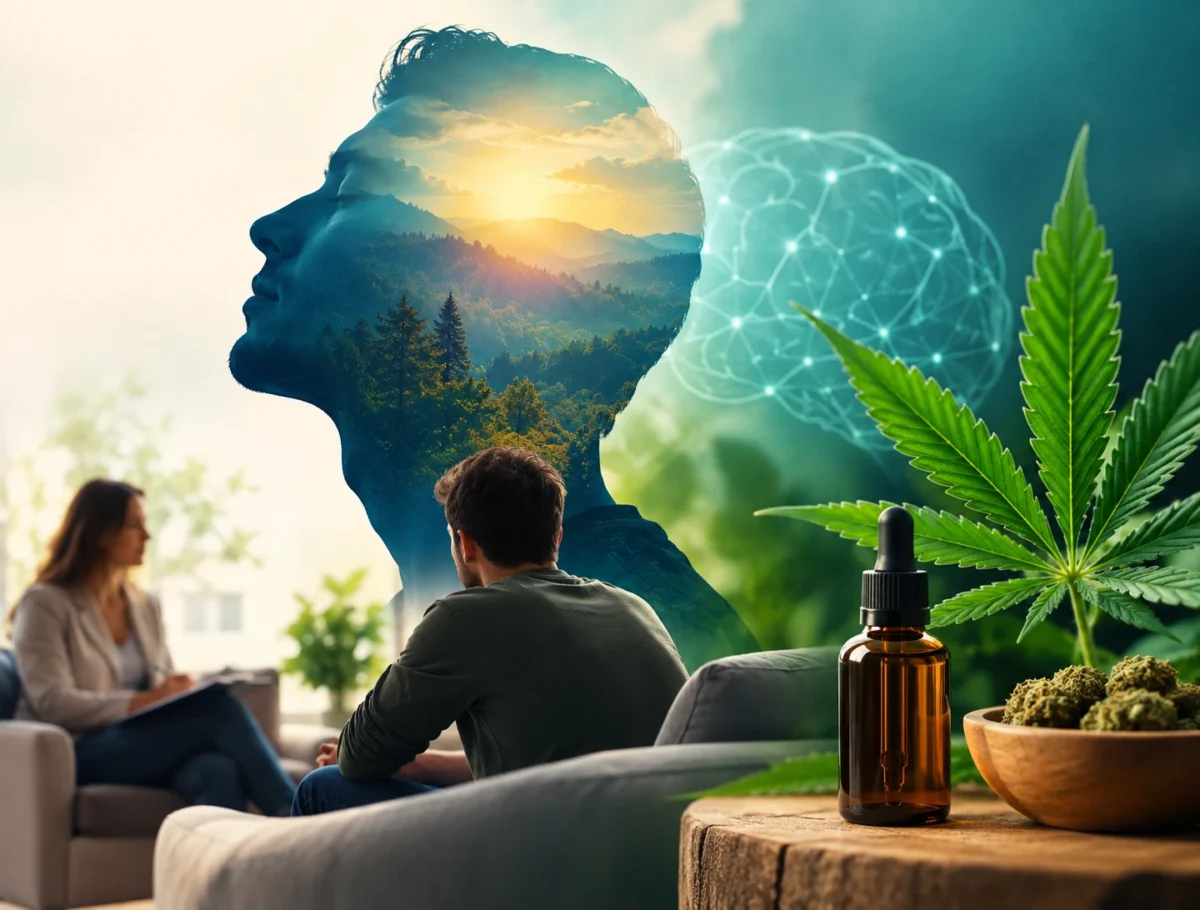
Short Answer:
The issue of cannabis use for addiction recovery is gaining increasing attention with regard to the potential impact of cannabinoids on cravings, withdrawal symptoms, or substance use. Nevertheless, at this point, there is not enough scientific data that would make cannabis treatment for alcohol or drug addiction a reliable practice.
Overcoming alcoholism or substance abuse can be difficult, and there are several ways to treat addiction recovery, which are individual for each particular case. Some people require counseling, while others need medication. Still, there are those who should combine professional help with peer groups.
With increased discussion about medical marijuana, scientists started considering the possibility of using cannabis in treatment of substance-use disorder. This led to a number of questions related to cannabis and addiction recovery. For example, can cannabis help people to lower their consumption of alcohol or other substances?
There are people who use cannabis as a substitute for something they would rather avoid. But personal experience cannot serve as a proof of effectiveness and safety of this approach. Moreover, there is no enough scientific evidence regarding this issue, and cannabis may lead to addiction recovery or other adverse outcomes.
Knowing all about the existing research will help people make an educated decision without ignoring the treatments that have proven to be efficient.
What Is the Connection Between Cannabis and Addiction Recovery?
Cannabis consists of substances like THC and CBD. THC and CBD affect some body functions like mood, stress reactions, and memory due to the endocannabinoid system present in the body.
Since these systems contribute to behavioral and reward aspects, the question is whether cannabinoids can affect cravings and addiction behavior.
Some observational studies were done trying to find out whether individuals using cannabis cut back on their alcohol and opioids usage. There were conflicting results and also observational research is incapable of showing any cause-and-effect relation. Other variables can influence the outcomes.
Now, the topic of cannabis and overcoming addiction requires more human research. One should never regard cannabis as an effective way to beat addiction recovery.
Can Cannabis Help People Recover From Alcohol Addiction?
AUD has the potential of negatively affecting one’s physical health, interpersonal interactions, employment, and even mental well-being. The management of AUD may involve behavioral therapy, support from peers, and medication to help ease cravings.
There are people who think that marijuana can take the place of alcohol, as its effects vary. Still, there is no clinical proof of efficacy of marijuana in treating AUD.
Moreover, there are issues concerning the usage of cannabis containing THC together with alcohol, as it increases impairment and negatively impacts one’s ability to coordinate actions, pay attention, make decisions, and react to different events.
The National Institute on Alcohol Abuse and Alcoholism claims that AUD can be managed with behavioral therapies and specific medicines.
Those interested in trying to combine cannabis and addiction recovery for AUD management have to consult a specialist before doing this.
Can Cannabis Help With Opioid or Other Drug addiction recovery?
Studies have been conducted on whether cannabis may affect opioid use, cravings, and withdrawal symptoms. Some studies and personal accounts may point to a possible relationship between the two, but there is insufficient evidence to conclude that cannabis can be used to treat opioid use disorder.
As stated in Health Canada’s review of cannabis and cannabinoids, the evidence for cannabis for opioid withdrawal is insufficient to draw any conclusions from clinical trials. Check Health Canada’s guidance for healthcare providers on cannabis and cannabinoids.
Opioid use disorder needs evidence-based treatment most of all. According to the CDC, buprenorphine, methadone, and naltrexone are established treatment options for opioid use disorder. Such medications may help to lower overdose risks and facilitate recovery.
Studies on cannabis and addiction recovery must not divert attention from treatment options that may save people’s lives. Patients undergoing treatment for opioid use disorder should not change their medication regimen without consulting the prescribing clinician.
What Are the Potential Risks of Using Cannabis During Recovery?
Cannabis may be experienced quite differently in regards to the amount of THC, frequency of using it, individual susceptibility, presence of other drugs and medications used simultaneously.
Important considerations are:
- Cannabis dependence: some users can suffer from the cannabis use disorder in cases of regular cannabis use.
- Withdrawal signs: the reduction of regular cannabis use or quitting it may provoke irritation, problems with sleep, anxiety and eating habits.
- Effect on mental health: cannabis can increase the level of anxiety and paranoia, and in case of intensive usage of the substance, there is a risk of developing psychosis among predisposed patients.
- Disruption of judgement: the use of cannabis affects the functioning of the brain responsible for attention, coordination, memory and decision-making.
- Interaction with other treatments: cannabis can interfere with the prescribed medicines or the treatment course that you have been using.
More information on cannabis use disorder, its withdrawal syndrome and effects on health can be found at National Institute on Drug Abuse.
Speaking about cannabis use and its impact on the course of addiction recovery treatment, it is worth discussing your risk factors with healthcare professionals.
What Treatments Are Better Supported by Evidence?
Individuals who struggle with substance-use disorders have different treatment options. What works best will depend on the substance, the intensity of the disorder, the person’s physical state, psychological state, and personal preferences.
Treatment can involve:
- Behavioral treatment: Cognitive-behavioral treatment can help individuals recognize triggers, cope with issues, and pursue recovery.
- Medication: FDA-approved medications are available for alcohol and opioid use disorders. The health practitioner can inform the patient about the appropriate treatment options.
- Peer support: Support groups can offer motivation, shared experiences, and a sense of community.
- Substance recovery care: Consistent follow-ups and personalized treatment can help individuals handle difficulties and decrease the risks of relapsing.
According to the Substance Abuse and Mental Health Services Administration (SAMHSA), the use of both medicine and counseling and behavior therapies can create a well-rounded treatment strategy for substance-use disorders.
These treatment options have more clinical support compared to the use of cannabis for addiction recovery treatment. Individuals who want to learn about cannabis and addiction recovery can address the issue with their health practitioners without abandoning evidence-based treatment.
How to Discuss Cannabis With Your Healthcare Provider
Be honest with your treatment provider about cannabis use if you are considering using cannabis after addiction recovery or alcoholism.
When planning on whether to use cannabis, here is a strategy to follow:
- Firstly, specify the substance you are in recovery from and what symptoms you are planning to address.
- Secondly, give information on cannabis products that you use right now.
- Thirdly, review your medications with your clinician.
- Lastly, inquire about clinically-proven strategies to cope with cravings, withdrawal, sleep issues, or anxiety.
- Do not quit medication prescribed by a doctor or try detoxification on your own.
Detoxification from alcohol and some drugs may be dangerous and even deadly.
Alcohol withdrawal can be fatal.
Withdrawal from some other drugs requires medical attention as well.
Interested in Medical Cannabis?
If you’re exploring medical cannabis as part of your wellness journey, getting the right guidance is an important first step. Learn about medical cannabis eligibility, the application process, and whether a medical marijuana card may be right for you.
>>Get Your Medical Marijuana Card<<
FAQs About Cannabis and Addiction Recovery
Can cannabis cure alcoholism or drug addiction?
No. There is no scientific evidence that cannabis cures substance use disorder. Evidence-based treatment involves counseling, medication, and recovery treatment.
Can cannabis ease drug cravings?
There is still not enough research and proof that cannabis can be used to treat cravings. Consult with a healthcare provider about effective treatment.
Is cannabis safer than alcohol for addiction recovery?
Both substances pose certain risks, depending on a person and circumstances. The use of cannabis as a replacement for alcohol is not a scientifically proven method of addiction recovery treatment.
Can I use cannabis with addiction recovery treatment medications?
Cannabis can cause side effects and interact with certain medications. Consult with your prescriber about the use of cannabis while undergoing substance abuse treatment.
Where can I get help for substance abuse recovery?
Consult with a healthcare provider or a specialized facility about possible ways of treatment. In the United States, FindTreatment.gov can help you find treatment facilities.
Conclusion
Cannabis and addiction recovery is a new area of research, yet there is no sufficient data to prove that cannabis can be used effectively for treatment of addictions to either drugs or alcohol. There might be side effects from using cannabis, such as dependency on the substance and mental conditions. The optimal thing you could do would be to consult a specialist.
Sources
- Substance Abuse and Mental Health Services Administration. Treatment Options for Substance Use Disorder.
- Centers for Disease Control and Prevention. Treating Opioid Use Disorder.
- Health Canada. Information for Health Care Professionals: Cannabis and Cannabinoids.
- National Institute on Drug Abuse. Cannabis Research Topics.
- National Institute on Alcohol Abuse and Alcoholism. Alcohol Use Disorder.