Quick Answer:
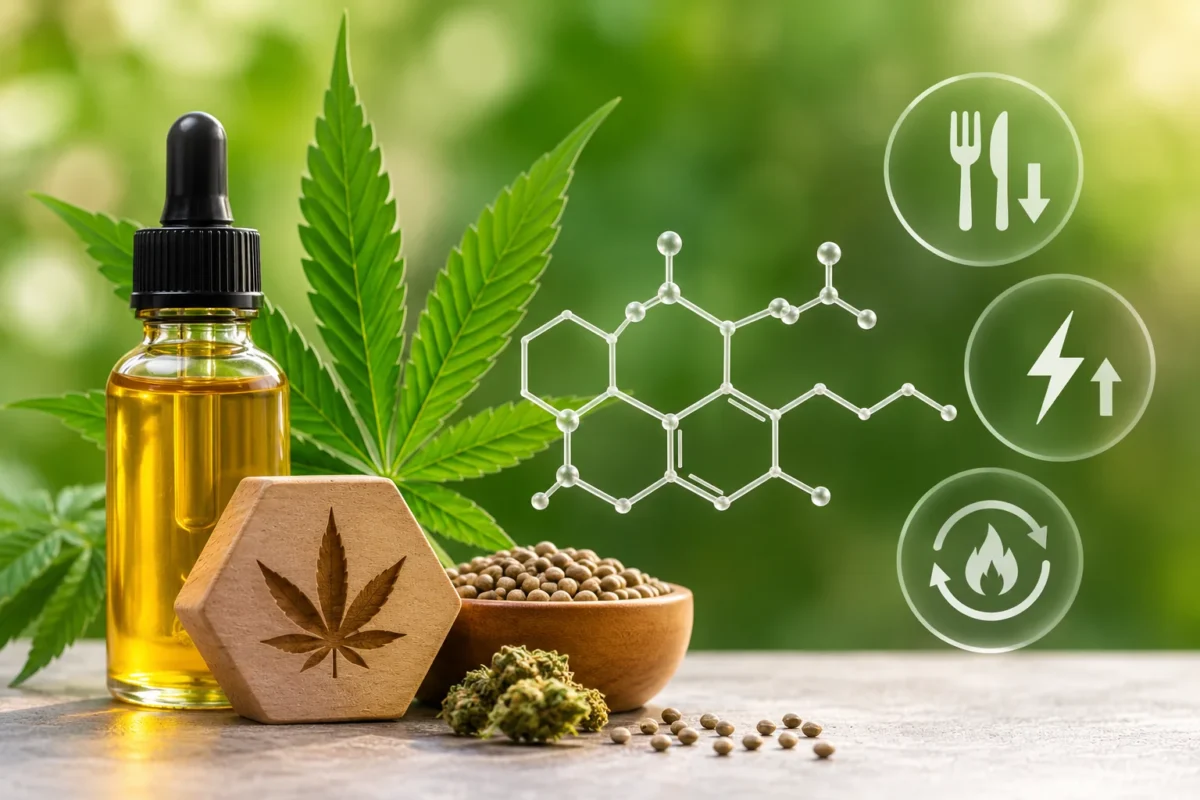
Tetrahydrocannabivarin (THCV) is a cannabinoid that occurs naturally in cannabis. Its molecular structure is similar to that of THC, however it affects cannabinoid receptors differently. Preliminary research suggests THCV could affect appetite, blood sugar control and energy processing.
Cannabis contains a large variety of natural compounds that interact with our bodies. While many of us will be familiar with THC and CBD, there are several other less well-known cannabinoids that researchers are becoming interested in. One such compound is THCV.
THCV appears to interact with some types of cannabinoid receptors in a different way than THC (which often causes an increase in appetite). Researchers have become interested in its potential effects on appetite, blood sugar and other bodily functions. Early results are interesting but we need more research into humans to determine if it can provide any health benefits.
What is THCV? What makes it different from THC?
THCV or Tetrahydrocannabivarin is a phytocannabinoid which means it is a naturally occurring chemical produced by the cannabis plant. Although similar in structure to delta-9 THC, it differs slightly in a way which makes it unique in terms of how it interacts with our endocannabinoid system.
THCV interacts with CB1 receptors which are located in the brain and central nervous system. These receptors play a part in helping us with memory, mood, appetite and perception. THCV can interact with the CB1 receptors in a number of ways. At low doses it can act as an antagonist. Due to this, the effect of THCV can vary depending on the dose and conditions within your body.
THCV vs THC vs CBD
All three cannabinoids are derived from the cannabis plant however they have different properties.
- THC: This is the main psychoactive cannabinoid found in cannabis. It can affect our perception, memory, mood and appetite.
- CBD: Non psychoactive cannabinoid which is being researched for various possible therapeutic uses. It doesn’t cause the psychoactive effects like THC.
- THCV: This is a minor cannabinoid which interacts with the cannabinoid receptors in a unique way. It is being researched for possible links to appetite, metabolism and glucose control.
Knowing the differences between cannabinoids can help prevent you from making assumptions about how all the compounds in cannabis will affect you. The concentration of cannabinoids, formulation and other compounds can all effect how the cannabis product affects you.
Why THCV Is Linked To Suppressing Appetite
THCV has gained attention from scientists due to its potential effect on appetite. This may be due to the fact that THC can act on CB1 receptors associated with hunger. This may cause some people to feel hungrier after consuming cannabis. THCV may impact how some of these CB1 receptors function.
This has led to research into whether THCV could impact hunger signals. Some research has indicated the potential for THCV to impact food consumption and appetite in lab and animal studies but there is not enough evidence to indicate it will reliably reduce hunger in humans. As with all health related products individual results may vary depending on dosage, product formulation and personal factors.
Does THCV Really Help With Appetite?
Preliminary research shows that THCV may impact appetite pathways however there is limited evidence of this in humans. Some of these claims are made due to pre-clinical studies meaning they have only been looked at in labs or animals. Whilst useful for scientists to create questions to look into, we cannot be sure this would offer a reliable benefit to the consumer.
It is important to be cautious of any products claiming to help control appetite. At the moment there is not enough clinical evidence to recommend THCV as a treatment for overeating, obesity or weight related issues. Further human controlled studies are required to understand how it affects us, what dosages are appropriate and ensure it is safe for long term consumption.
Can THCV Help With Energy And Concentration?
THCV is also of interest to consumers because they are well known for providing a stimulating effect. Products containing THCV can often be described as being very different compared to products containing cannabis. However, these can only provide anecdotal evidence that THCV can provide a boost of energy, increase your focus and reduce tiredness.
The effects of THCV may vary depending on how much you take, your tolerance and what the product contains. If the product contains many cannabinoids it may cause effects that cannot be solely attributed to THCV. As researchers are still learning more about its interaction with the endocannabinoid system it should not be seen as a guaranteed supplement to provide energy or help with focus issues.
How Research Shows THCV Can Impact Metabolism
The metabolism can be defined as the way the body breaks down food into energy. As cannabinoids interact with energy homeostasis and metabolic signalling, researchers have looked into THCV’s impact on some aspects of metabolism. In laboratory and animal studies it has been shown that THCV may alter glucose metabolism, improve insulin sensitivity and change appetite regulation processes.
One area of interest is whether THCV can impact insulin sensitivity and how the body regulates its blood sugar levels. This is of particular interest in research into obesity and type 2 diabetes. However, it should not be assumed that this cannabinoid can prevent or treat any metabolic conditions based on early findings. Clinical trials in humans are required to confirm its effectiveness and safety.
What have human studies found?
A randomised clinical trial was conducted in 2016 looking at the effect of THCV and CBD on individuals suffering from type 2 diabetes. Several metabolic markers were looked at including blood glucose and cholesterol markers. It was suggested that THCV may have some effect on specific metabolic markers, however it was not proven to be an effective weight loss treatment or that it can help individuals manage their diabetes.
More recent studies have taken a look into the effects of cannabinoid based products on metabolic markers, however when small groups of participants are used or multiple cannabinoids are used it can be difficult to determine which cannabinoid caused the effect. Larger, well designed clinical trials are needed before researchers can come to reliable conclusions regarding the effects on metabolism.
Cannabis strains and Products That May Contain THCV:
Most strains of cannabis will contain a variety of cannabinoids, however THCV is typically present in lower quantities compared to THC and CBD. Some strains are commonly talked about for being high in THCV compared to other cannabinoids. These include Durban Poison, Doug’s Varin, Pineapple Purps, Malawi Gold, and Jack the Ripper.
Depending on the genetic properties of the plant, how it was grown, where it was grown and how it was harvested the cannabinoid content can vary. Just because a product is from a certain strain of cannabis it does not necessarily mean it will be high in THCV. If you are looking for cannabinoid content within a product make sure to look at a recent certificate of analysis from an independent lab.
There may be various products available containing THCV. These can include oils, tinctures, capsules and edibles. The ingredients, concentrations and quality can vary between products. Reading the labels and looking up lab testing information will help you to understand more about what you are buying.
Potential Side Effects & Safety
THCV is used to study potential health benefits, however there is still not a full understanding of how safe it is. As there is limited research into humans, scientists still need to know more about the short term and long term effects, as well as any interactions with other substances. Products containing both THCV and THC may cause intoxication.
Those with pre-existing health conditions and/or taking prescribed medication should be cautious when trialling new cannabinoid products. There may be unexpected changes to your emotions, unexpected intoxication and possible interactions with medication. Those who are managing Diabetes should not stop any prescribed medication and replace it with cannabinoid products.
Speak to a qualified healthcare professional when considering using THCV. If you are pregnant, breastfeeding, on medication or managing a long term medical condition, they will be able to talk through your situation and tell you if there may be increased risks with certain products.
THCV Legal?
THCV legality can depend on various factors such as the source, product type, THC content and the state/country you wish to purchase it. In the USA there can be differences in the laws surrounding cannabis, so products purchased from a licensed dispensary may not be legal in another state.
In California there are specific regulations for cannabis products. This includes licensing, testing and labelling. Be sure to check the current regulations within your state and only purchase cannabis products through legal sources. Just because a product is available, does not mean it is the right choice for everyone.
Those looking to trial medical cannabis should also be aware that just because you have a Medical Marijuana Card, it doesn’t mean all cannabis products will be suitable for you. Your Medical Cannabis Recommendation should be based on your health circumstances and medical professionals. Qualified Medical Marijuana Doctors can help patients talk through their options, risks and requirements.
Frequently Asked Questions
What does THCV stand for?
Tetrahydrocannabivarin (THCV) is a natural cannabinoid found in cannabis. It has a similar structure to THC.
Is it the same as THC?
No, although THCV bears some similarities to THC in structure, it interacts with the cannabinoid receptors in the body differently. THCV can provide different effects depending on dose and product formulation as the main intoxicating compound found in cannabis is THC.
Does THCV reduce appetite?
Initial studies in laboratories and animals suggest it may affect appetite but there is not enough research in humans to confirm THCV will act as an effective appetite suppresser.
Can THCV help me lose weight?
There is not enough clinical evidence to recommend THCV for weight loss. Several studies have been carried out looking at the potential metabolic effects, however further large scale human trials would be required.
Will I feel more energetic?
Some users have reported feeling more awake when taking THCV products. However this does not demonstrate that THCV will make you feel more energetic or focused. Further clinical research is required.
Is THCV psychoactive?
It will not have the same effects as THC. In specific situations it may have mild intoxicating effects however it should not be assumed it is completely non-psychoactive. If there are other THC contents in the products then intoxicating effects can occur.
Conclusion
THCV is an interesting cannabinoid due to its interaction with the endocannabinoid system, providing researchers with more information about the connection between appetite, glucose regulation, metabolism and more by researching this cannabinoid. This could provide scientists with a greater understanding of how different cannabinoids can affect the body.
Currently, however there is not much evidence regarding THCV in humans meaning that currently we cannot consider it a proven solution for weight management, energy boosting supplement or treatment for metabolic issues. As research continues to develop, large scale clinical trials will be important to determine how beneficial THCV is.
Medical Cannabis With Expert Guidance
Understanding more about cannabinoids like THCV can provide insight into the different compounds in cannabis. Talking to a qualified healthcare professional can help you determine what options are available to you if you’re considering Medical Cannabis.
>>Get Your Medical Marijuana Card<<
Sources
- Veriheal – Exploring THCV, the Energizing and Appetite-Suppressing Cannabinoid
- Abioye et al. – THCV and Its Potential Therapeutic Benefits for Obesity and Diabetes
- Jadoon et al. – Efficacy and Safety of Cannabidiol and Tetrahydrocannabivarin on Glycemic and Lipid Parameters in Patients With Type 2 Diabetes
- Health Canada – Information for Health Care Professionals: Cannabis and Cannabinoids